
Kentlands · Washington Grove
Cabinet Buying in Crown, Gaithersburg, MD
Bring your project details together before considering a cabinet purchase.
Send my cabinet inquiry
Or call (562) 203-3232. Calls only, we do not receive text messages.
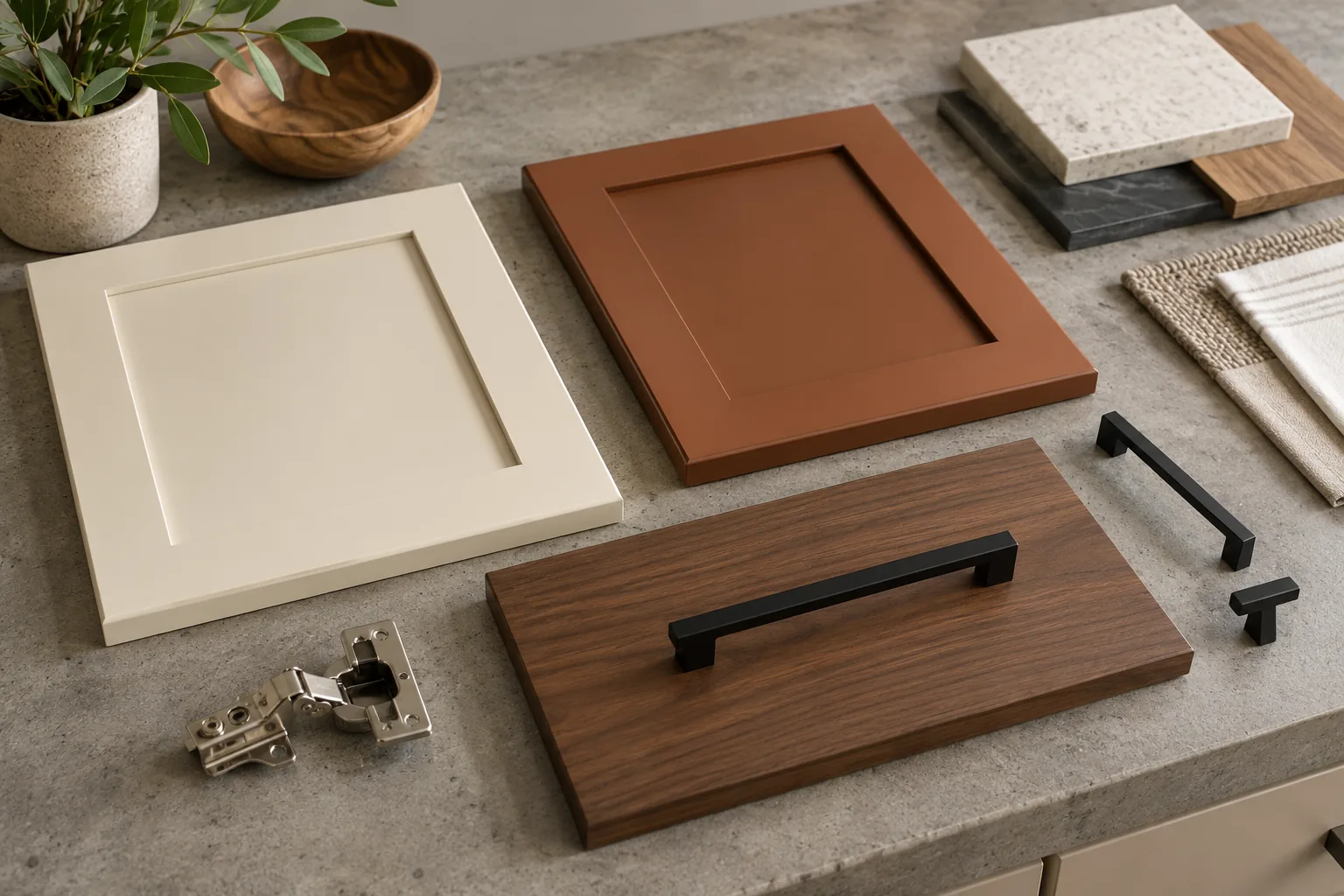
Cabinet purchase preparation in Crown
This Crown guide focuses on keeping the product specification and destination record aligned when several people or places are involved. Gaithersburg Cabinet Framework records submitted project information for owner review, without automatically forwarding it to sellers or guaranteeing a response. Describe the current situation at your address rather than treating the development name as a complete project brief.
About Gaithersburg Cabinet Framework
Know who handles each part
Independent cabinet buying information and quote-request service. We do not manufacture, stock or install cabinets. A referral, supplier response, appointment or purchase is not guaranteed. Product availability, delivery and installation must be confirmed directly with the seller or separately engaged contractor.
Use a precise destination record from the beginning
Write the intended project address in the form the purchaser and seller can use, including a building or unit identifier when it applies. Identify the room receiving the cabinets and distinguish that room from any temporary storage location. If the order will be accepted elsewhere, state that separate receiving address explicitly. A general Crown label is useful context but leaves too much room for confusion when products and delivery records need to match.
In a hypothetical project, the cabinet destination could be one address while a purchaser proposes accepting packages at another location before moving them. That choice creates another handling step and another responsible party. Record it while comparing offers, rather than allowing the delivery address to change after the freight arrangement is priced. Verify the actual identifiers with the responsible people. Do not infer a specific building type, management arrangement or receiving restriction from the city’s description of a mixed-use development.
Distinguish the current room from the proposed finished room
Describe whether the cabinets are replacing existing products or serving a room whose arrangement is still being decided. Identify which measurements represent the current space and which come from a proposed drawing. Product selection depends on the final relevant inputs, so a change in the room should have a clear effect on the cabinet schedule. A construction date for the development does not establish the condition or readiness of a particular room.
For a hypothetical room with a proposed new appliance position, label that position as proposed until the responsible party confirms it. The cabinet discussion can continue around alternatives, but an alternative should not be presented as a settled installation arrangement. Keep photographs and drawings dated and explain which one controls the current comparison. If an opening or connection point changes, revisit the affected cabinet positions and related parts. The record should make the transition from current conditions to intended conditions visible instead of blending the two into one ambiguous sketch.
Assign a clear identifier to each proposed order version
A buyer may compare the same Crown room using different door styles, storage configurations or assembly formats. Give each version a distinct identifier and preserve the differences in a short list. A useful comparison has a stable room baseline while its alternatives are clearly labeled. If both the room and the products change together, explain both changes so that a price or quantity difference can be understood.
Imagine comparing a version with one drawer stack against a version with two narrower cabinets. The changed schedule might also alter fronts, hardware or adjacent finishing pieces. Ask the product source to identify the complete components for each version. Do not retain an old accessory list simply because most of the cabinet run looks familiar. When one alternative is chosen, record which version is current and stop attaching abandoned schedules to new inquiries. This avoids asking a reader to reconstruct the buyer’s decision from several conflicting documents.
Ask the responsible receiver about the actual handoff
Identify who controls access to the destination and who will be present for receiving. If a manager or other property representative supplies loading, appointment or route instructions, record those actual instructions and their source. Such requirements may matter at a particular address, but this guide does not assume they apply to every Crown building. Confirm the seller’s handoff point and keep it separate from the route to the final room.
A hypothetical project could have a willing receiver but no agreed place to store packages before assembly. Resolve that storage question with the relevant people. Ask for package dimensions and handling information where they are needed to assess the route. Specify who is responsible for moving products beyond the seller’s delivery scope. If the intended receiver changes, update the contact and instructions rather than expecting the original person to pass everything along informally. The receiving record should stay synchronized with the selected order version and the actual destination.
Tie each cost comparison to its destination and version
Request costs against a named schedule version with cabinet quantities and boxes, finish and accessories identified. Include freight to the stated destination and distinguish external labor for movement, assembly or installation. Estimates are subject to change as the project inputs develop; use the final written quote to establish what the selected order includes. A price attached to an abandoned version should not remain the apparent budget for the current one.
If receiving moves from one address to another, ask whether the delivery terms and cost need revision. If a storage alternative changes the product schedule, compare the complete revised scope rather than adjusting only the most obvious cabinet line. List exclusions and open charges without inventing numbers to fill gaps. A hypothetical buyer can then decide whether a lower product subtotal still answers the same room needs and receiving requirements. This comparison is about traceable scope, not a claim about prices or standard freight practices in Crown.
Send one current record and a defined open question
Before submitting an inquiry, choose the current room drawing and cabinet schedule, then remove superseded versions from the main explanation. Name the building or destination details that are known, the receiver if assigned and the remaining uncertainty. A useful inquiry might ask how two configurations differ in storage while identifying that delivery instructions are still being obtained. The uncertainty can be explicit without stopping every early product discussion.
Explain who can approve the next decision and what information they need. If another person is coordinating the room work, identify which measurements or dates await that person’s confirmation. Avoid describing a room as ready merely because a preferred finish has been chosen. The completed record should connect an actual place, a current specification and a particular question. That connection makes it easier to review the inquiry and to detect when an answer refers to an older design, the wrong destination or an unresolved assumption about receiving.

Inquiry process
From buying questions to a possible supplier quote
Sending an inquiry does not reserve products or book work.
Describe the purchase
Include project ZIP, room, approximate cabinet list and preferred timing.
Clarify requirements
Identify assembly, access, measurements and any separately arranged labor.
Confirm referral availability
An inquiry can be referred only if a suitable seller accepts the location and product request.
Review seller terms
Confirm the final drawing, itemized price, payment, delivery and return terms directly before ordering.
Illustrative product choices
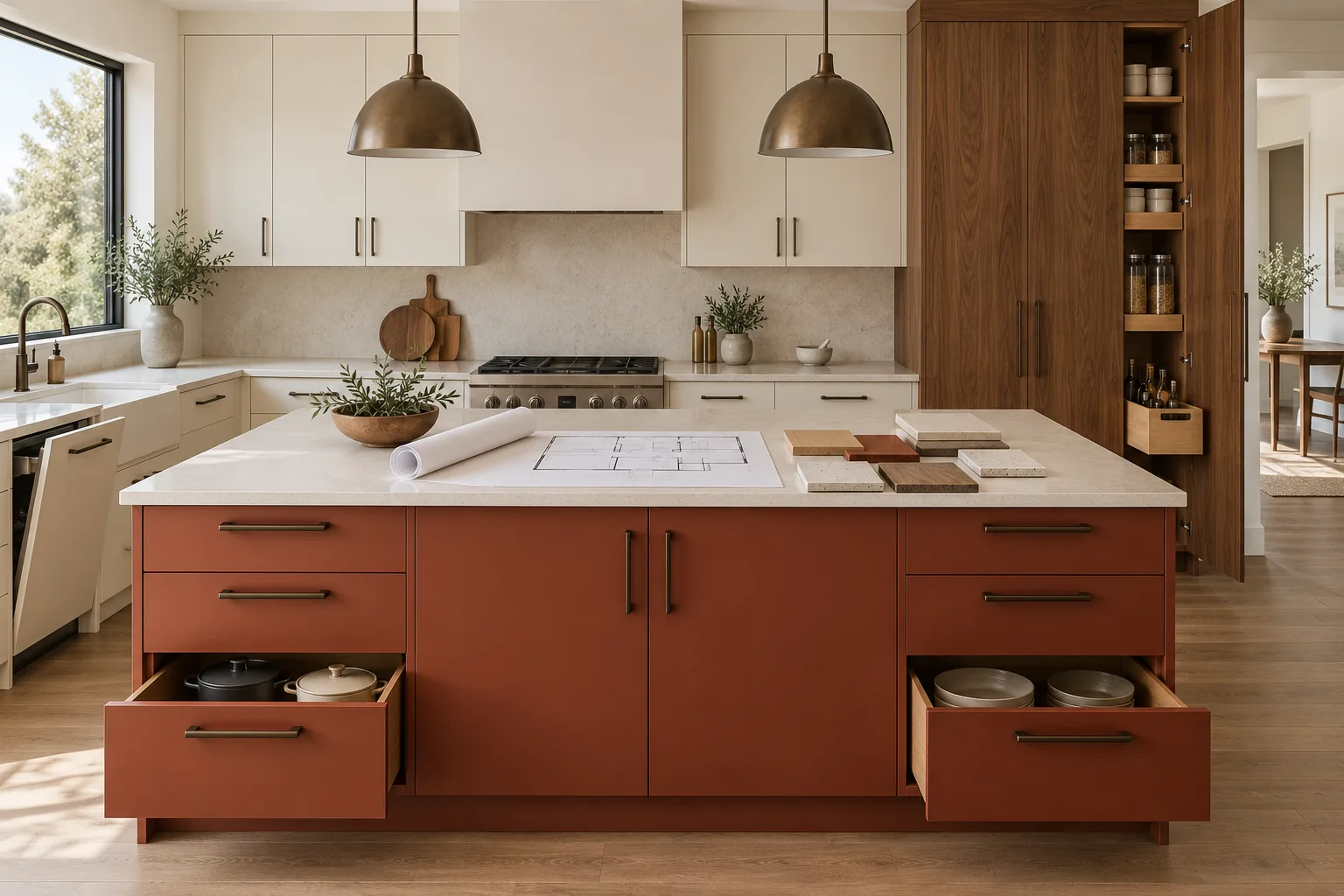
Illustrative product visualizations, not completed work, local properties or supplier facilities.
Local buying information
Other local buying guides
Questions
Crown Questions
Is Crown enough location information for an order discussion?
It identifies the general project context, but a usable order record needs the actual address and any applicable building or unit identifier. Also distinguish the cabinet destination from a separate receiving or storage address. Verify those details with the responsible parties rather than assuming them from the development description.
Does the city’s development page establish my room’s readiness?
No. The supplied city source describes the development, not the current condition of your particular room. State whether dimensions are measured or proposed and identify which openings, appliance positions or connections remain unsettled. The responsible project parties must confirm the inputs used for the selected cabinet schedule.
How do I prevent two cabinet alternatives from being confused?
Name each version and list its changed positions, components and options. Keep the room baseline identifiable, and ask that any written comparison refer to the correct version. Once a choice is made, label older schedules as superseded and submit the current set as the main project record.
Should I assume building-wide delivery rules apply?
Obtain instructions for the actual destination from the party responsible for access. Record any loading or appointment requirements that are confirmed and ask the seller whether its proposed handoff meets them. This guide does not establish a uniform receiving rule across Crown’s different neighborhoods or buildings.
Talk to us about your project in Crown
Describe the purchase and project ZIP in Gaithersburg. Supplier acceptance and any referral are confirmed separately; no visit or quote is booked by this form.
Calls only, we do not receive text messages.