
Crown · Washington Grove
Cabinet Buying in Kentlands, Gaithersburg, MD
Bring your project details together before considering a cabinet purchase.
Send my cabinet inquiry
Or call (562) 203-3232. Calls only, we do not receive text messages.
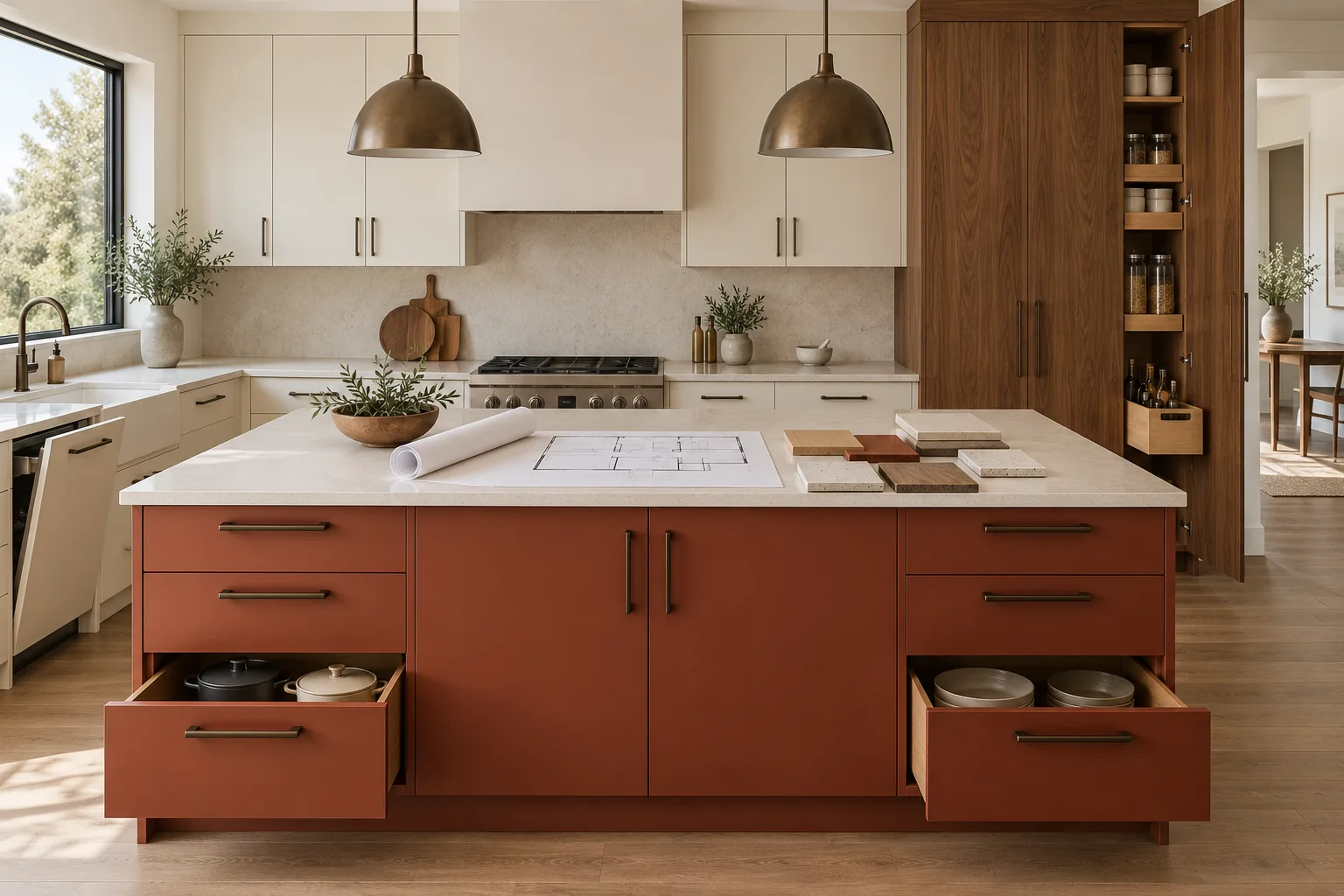
Cabinet purchase preparation in Kentlands
A household kitchen, a shared room and a work space can need different approvals and receiving arrangements even when they use similar cabinets. Gaithersburg Cabinet Framework records inquiries for owner review; it does not automatically send them to sellers or promise a response. Identify the building use and the decision maker before requesting a product comparison.
About Gaithersburg Cabinet Framework
Know who handles each part
Independent cabinet buying information and quote-request service. We do not manufacture, stock or install cabinets. A referral, supplier response, appointment or purchase is not guaranteed. Product availability, delivery and installation must be confirmed directly with the seller or separately engaged contractor.
Identify the room’s users before choosing a configuration
Describe who will use the cabinets and what they need to store. A residential kitchen inquiry may focus on daily cooking items and retained appliances. A room used by several people might require a different way of organizing shared supplies. Those are project distinctions, not claims about the kinds of buildings at every Kentlands address. State the actual use rather than asking a buyer or seller to infer it from the place name.
Imagine a hypothetical project replacing cabinets in a room used for household meals and occasional work. The buyer could distinguish food storage from office supplies, then decide whether either use belongs in the cabinet schedule. That explanation helps compare a drawer configuration with a shelf cabinet without relying on a broad style label. Identify any items that need special accommodation and provide their dimensions when known. The goal is to turn the room’s activity into a practical storage brief that can be tested against actual product choices.
Make the purchasing authority clear
A person who uses the room may not be the person who can approve its cabinet order. Establish who owns the purchasing decision, who confirms the budget and who approves a finish or layout change. If another party controls the property or shared space, ask that party what approval is needed for the proposed work. Do not assume that a neighborhood history page supplies the answer for an individual property.
For a hypothetical buyer ordering on behalf of another household member, a sample selection could be settled while the quantity approval remains open. Record those decisions separately. The inquiry can identify one person as the contact and another as the final purchaser, with their roles explained. Avoid calling the order approved merely because someone likes the appearance. When several people must agree, keep a short list of unresolved choices and the evidence each person needs. This prevents an attractive product comparison from becoming an unauthorized purchasing instruction.
Use the actual room to test the cabinet arrangement
Prepare a sketch that identifies walls, openings, fixed plumbing points and any appliances the project will retain. Label the source and status of dimensions so that an estimate is not confused with a measured value. A photograph helps explain a room but does not replace a dimension needed to select a cabinet. Relate the proposed cabinet positions to the room’s actual obstructions and the movement of doors, drawers and appliances.
Consider a hypothetical run in which a proposed drawer cabinet sits beside a doorway. The question is whether its operation and nearby trim can coexist in that specific arrangement, not whether drawer cabinets suit Kentlands generally. Ask the product source for the relevant cabinet and hardware information, then have the responsible project party resolve the room-specific fit. Keep open measurements visible in the schedule. A layout with blanks can still support an early discussion if those blanks are named; it should not silently become the basis of a final order.
Give receiving its own responsible person
Name the person who can receive the products at the actual address and explain where the seller proposes to hand them over. The purchaser, room user and receiver may be different people. Confirm whether the receiver knows the order identifiers and can compare the shipment with its packing information. If building management or another responsible party is involved in access, obtain the applicable instructions directly rather than assuming a community-wide rule.
A hypothetical purchaser might arrange arrival while the room is still in use. That creates a storage and movement question independent of the finish choice. Identify a place for the packages and check the relevant route when package dimensions are available. Ask who performs any moving work beyond the agreed delivery point. Do not describe a project as ready for delivery until the responsible receiver and handoff scope are established. A brief receiving note can expose an unresolved dependency before it becomes an inconvenient arrival.
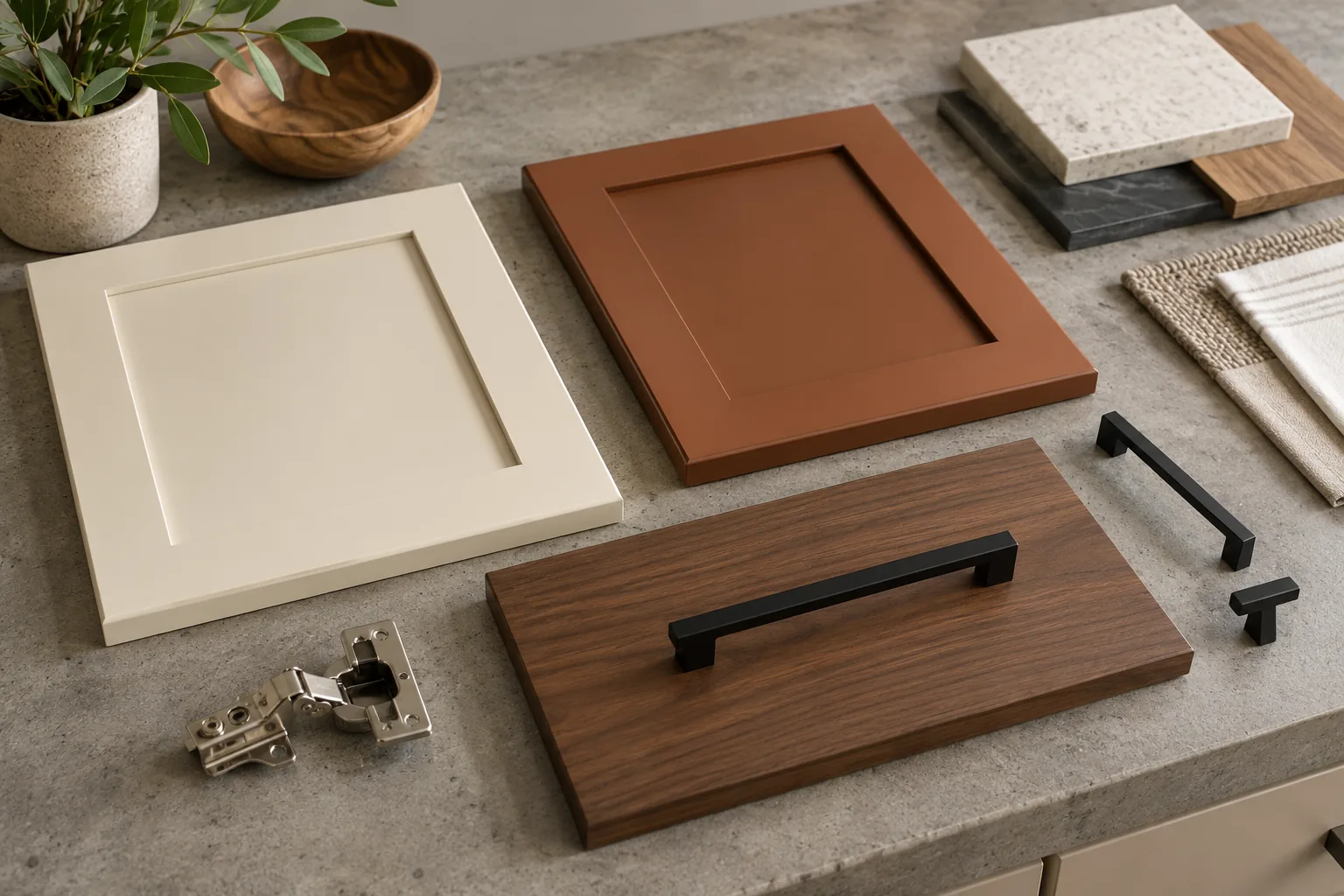
Compare cost on the same room and product scope
Request a written comparison that uses the same cabinet quantities and boxes, finish and accessories. Identify freight and any separately engaged labor rather than combining them with the product price without explanation. A preliminary estimate can change as dimensions, options or delivery details change; the final written quote should define the agreed order and the work included. This guide provides no local price allowance or assumed discount.
If two proposed configurations solve the same storage need differently, compare their complete schedules. An option with fewer cabinet positions may include more specialized accessories, while another may need different panels or trim. Ask how each option meets the stated use of the room and what it leaves for another purchase. In a project with more than one decision maker, identify who approves the added scope. The useful comparison preserves the buyer’s actual priorities and exposes exclusions, rather than presenting unlike baskets as a straightforward price contest.
Describe the Kentlands decision that remains open
A useful inquiry can begin with the actual building use, room purpose and the question preventing a purchase decision. You might have a measured room but no agreed storage arrangement, or a preferred configuration whose receiving plan is still unsettled. Describe that stage directly. Include the schedule or sketch version, retained appliances and the person who can approve the next change.
The location helps identify the project, while the evidence explains its needs. Avoid filling the form with neighborhood assumptions about home age, room size or access. If the project involves another building type, state that use and any instructions already obtained from its responsible party. Explain whether you are comparing product configurations or seeking clarification of an existing proposed order. Keep the unresolved question narrow enough to answer: a drawer position, a finish selection, an authority decision or a receiving assignment. That makes the submission a useful project record instead of a vague request for everything at once.

Inquiry process
From buying questions to a possible supplier quote
Sending an inquiry does not reserve products or book work.
Describe the purchase
Include project ZIP, room, approximate cabinet list and preferred timing.
Clarify requirements
Identify assembly, access, measurements and any separately arranged labor.
Confirm referral availability
An inquiry can be referred only if a suitable seller accepts the location and product request.
Review seller terms
Confirm the final drawing, itemized price, payment, delivery and return terms directly before ordering.
Illustrative product choices
Illustrative product visualizations, not completed work, local properties or supplier facilities.
Local buying information
Other local buying guides
Questions
Kentlands Questions
Does the Kentlands history determine the cabinets for my building?
The supplied city history explains the community’s New Urbanist background. It does not specify your room, building use or purchasing requirements. Describe the actual space and its users, then select cabinet configurations using the measured room, storage brief and relevant product information.
What if I am choosing cabinets but someone else pays for them?
Identify both roles before the selection becomes an order. Explain who chooses the finish and arrangement, who approves quantities and who authorizes the purchase. Keep unresolved approvals visible so that a preliminary preference is not mistaken for agreement to the complete product and delivery scope.
Should receiving details be included in an early inquiry?
Include what you know, especially the intended address, responsible receiver and any actual access instructions. Mark unknown handoff or package details as open. Early receiving information can reveal that additional moving or storage arrangements are needed before an otherwise suitable cabinet selection can be ordered.
Can I compare a shared-room cabinet order with a home-kitchen package?
Compare them only after defining the same relevant product scope and room requirements. Similar-looking cabinets can be specified differently for different storage uses. Identify quantities, options, delivery and external work explicitly, and check that each proposed schedule answers the needs of the actual room.
Talk to us about your project in Kentlands
Describe the purchase and project ZIP in Gaithersburg. Supplier acceptance and any referral are confirmed separately; no visit or quote is booked by this form.
Calls only, we do not receive text messages.