
Kitchen Cabinet Quotes in Gaithersburg, MD
Prepare a cabinet list and compare what each kitchen quote includes.
Send my cabinet inquiry
Or call (562) 203-3232. Calls only, we do not receive text messages.
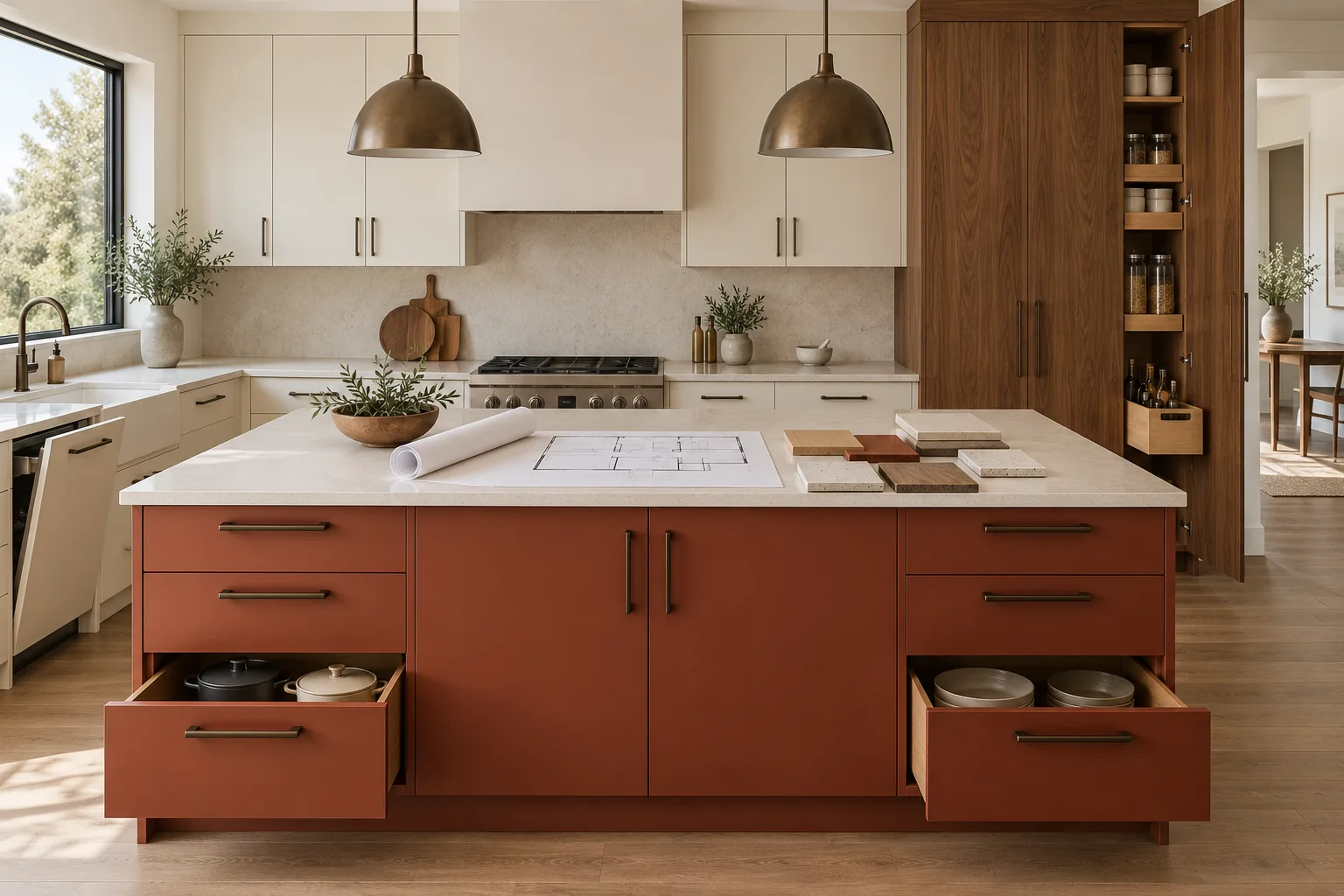
Buying questions: kitchen cabinet quote comparison
The Framework provides independent buying information and records submitted details for owner review. It does not automatically pass the inquiry to sellers or guarantee a response. Prepare the comparison below for actual offers, keeping room inputs and unknown product evidence clearly identified.
About Gaithersburg Cabinet Framework
Know who handles each part
Independent cabinet buying information and quote-request service. We do not manufacture, stock or install cabinets. A referral, supplier response, appointment or purchase is not guaranteed. Product availability, delivery and installation must be confirmed directly with the seller or separately engaged contractor.
Describe the storage priority beside the requested positions
Give the room arrangement an identifiable reference and label the intended cabinet positions. Describe the storage purpose of each relevant unit before asking which configuration a seller proposes. A position needing organized cookware access is a different brief from one intended mainly to hold rarely used items.
For a hypothetical buyer considering drawers instead of a door cabinet, record the intended use and the reference configuration. Ask for the actual alternative’s internal arrangement and included hardware. This makes the comparison about offered function rather than a general assumption that a particular front type is always superior.
Include the quantities, finish preference and accompanying pieces in the requested schedule. Panels, fillers and accessories should be included, excluded or marked uncertain explicitly. A comparison that records function but leaves the goods unidentified cannot explain the seller’s price or the scope of a later substitution.
Confirm which room inputs each offer uses
Collect the labeled room observations and retained appliance information for the arrangement. The supplied IKEA US planning guide supports preparing those dimensions for discussion. Ask the responsible reviewer which inputs need confirmation before the schedule can become an order instruction.
Keep provisional conditions separate from selected products. An alternative configuration can be investigated while a relevant dimension remains open, but the offer should identify its assumption. If an appliance or room feature changes, update the affected positions and give the arrangement another reference.
In the drawer example, the buyer should ask how the actual proposed fronts and neighboring components will operate. A storage improvement is only meaningful if the accepted arrangement supports the intended use. Do not ask a product illustration to prove that relationship or adopt an unsourced universal clearance instead of the offered product documentation and final room review.
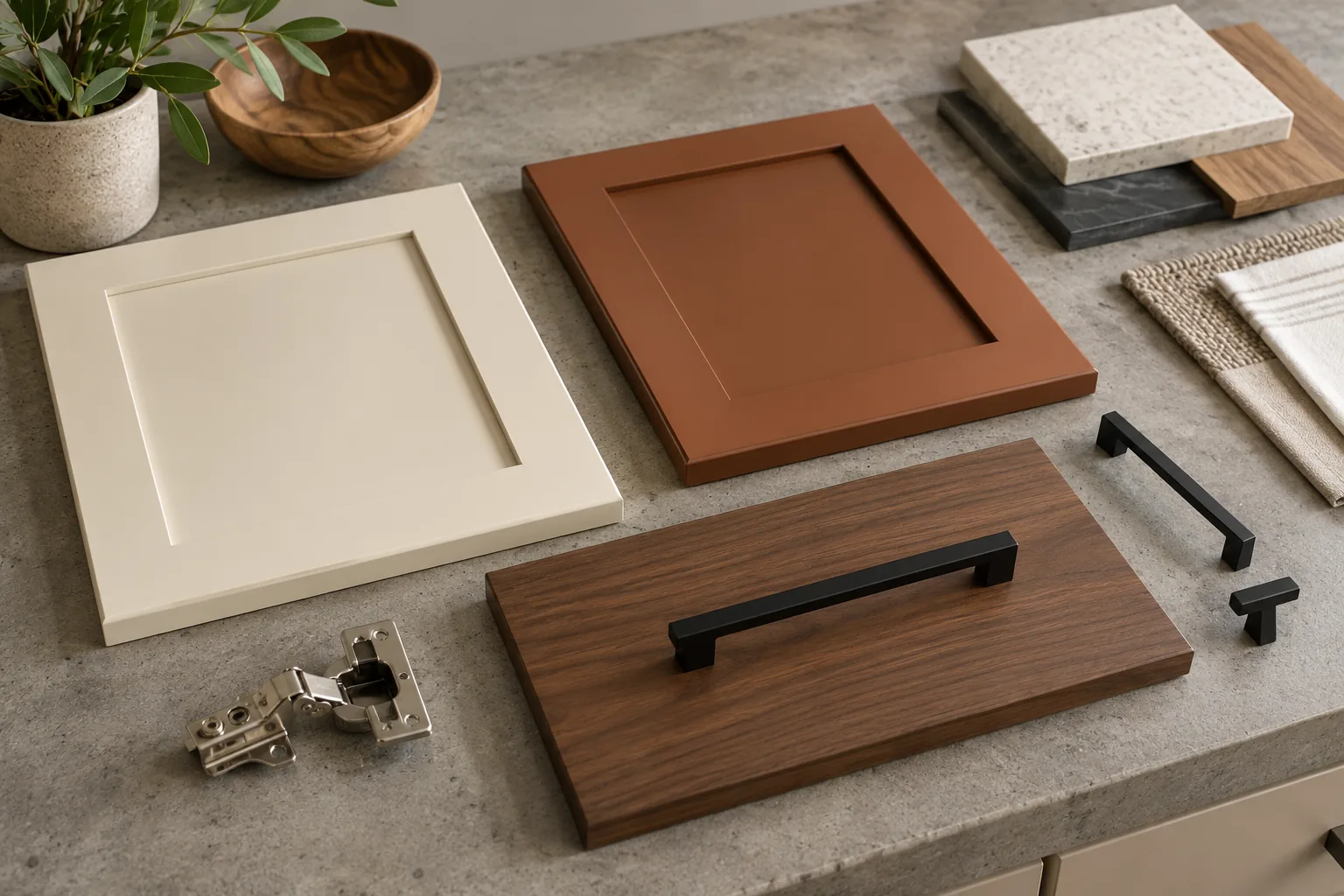
Compare configuration and construction as separate evidence
Ask for the proposed product line, configuration, finish and hardware. A drawer layout can describe function while construction information describes different product characteristics. Keep both in the comparison so a configuration preference does not stand in for evidence about the box or offered components.
KCMA’s source identifies a kitchen and vanity performance and construction standard. If a seller claims certification, request documentation for the exact offered line. An unknown cabinet is not certified merely because the standard appears in a general guide. Record which evidence belongs to each alternative.
For the hypothetical buyer, compare the storage information with the priority that prompted the request, then review the relevant specifications. A visually similar substitute could change either. The seller should identify that difference and the buyer should approve it openly rather than assuming that every product with similar doors supplies the same internal arrangement or supporting evidence.
Connect cost differences to identifiable changes
Hold the product quantities and box configurations readable in each offer. Identify finish, accessories and accompanying pieces, along with the actual freight or pickup scope. Ask which items are omitted, optional or substituted. A lower total is difficult to assess if it removes goods or changes the functional configuration without explanation.
Assembly and carrying require their offered task descriptions. External installation, removal and other work belong in their providers’ own agreements. The FTC’s supplied advice supports comparing written home improvement estimates by work and materials, without establishing what the cabinet seller includes.
Initial estimates may change; the final written quote should define the offered price and inclusions for the accepted version. In the drawer comparison, identify both changed products and changed tasks. An unpriced accessory or external labor requirement remains an open budget item rather than a confirmed saving attached to one configuration.
Use alternatives to decide rather than to blur the schedule
Give each product alternative a name or reference and identify its affected rows. Ask the seller to describe the reason for any proposed substitution. A change intended to improve storage should be assessed differently from a replacement driven by the seller’s offered product range, even if both affect the same position.
Record who reviews fit implications and who authorizes the purchase. Keep the decision with the actual item description, finish and accompanying pieces. If the change affects other positions, update them together rather than accepting one attractive unit in isolation.
For the hypothetical buyer, a drawer alternative should not become part of the base schedule through an informal conversation while its matching accessory remains excluded elsewhere. Request an offer reflecting the chosen configuration as one identifiable version. This lets the comparison end with a deliberate choice, rather than a mixed schedule containing features from several alternatives.

Give receipt the same product record used for approval
Before ordering, align the chosen arrangement, product schedule and seller quote. Obtain actual seller acknowledgment and the receiving instructions for the offered goods. Ask how unit or package references relate to accompanying components so the receiver can check the accepted list.
Name the purchaser and receiver, and identify how product questions are referred back. A receiver observing a different configuration needs the record that says what was approved, not a recollection that drawers were discussed at some stage. Preserve any accepted substitution with its reason and updated reference.
An early inquiry can state the storage priority, preliminary schedule and specific evidence still missing. The final buying record should explain how the actual offer answers the priority and what terms govern it. That is the connection between function and quote comparison: the buyer knows what was chosen, why it was chosen and which identifiable goods are expected under the accepted version.
Inquiry process
From buying questions to a possible supplier quote
Sending an inquiry does not reserve products or book work.
Describe the purchase
Include project ZIP, room, approximate cabinet list and preferred timing.
Clarify requirements
Identify assembly, access, measurements and any separately arranged labor.
Confirm referral availability
An inquiry can be referred only if a suitable seller accepts the location and product request.
Review seller terms
Confirm the final drawing, itemized price, payment, delivery and return terms directly before ordering.
Illustrative product choices
Illustrative product visualizations, not completed work, local properties or supplier facilities.
Local buying information
Local inquiry guides
Questions
Kitchen Cabinet Quote Comparison: Common Questions
How should I compare drawers with a door cabinet?
Describe the storage purpose, then request the actual offered configurations and internal information. Keep quantities, hardware and accompanying pieces visible. Compare the benefit you value with the product evidence, rather than assuming every drawer or door configuration performs identically.
Does a storage preference answer the construction question?
No. Configuration and construction describe different aspects of the offered goods. Ask for line-specific specifications and evidence for any certification claim. Keep that information alongside the functional comparison so a preferred layout does not replace product investigation.
What should I do with a substitute proposed by the seller?
Ask which requested rows it changes and why, including any effect on function, fit or accompanying pieces. Record the responsible review and purchasing approval. An accepted substitute should appear in an updated schedule rather than remain an informal exception.
Why should the receiver have the functional quote record?
It identifies the exact configuration approved after alternatives were compared. The receiver can relate product references to that selection and report a discrepancy under seller instructions. A broad memory that an option was discussed cannot establish which goods were accepted.
Talk to us about kitchen cabinet quote comparison
Describe the purchase and project ZIP in Gaithersburg. Supplier acceptance and any referral are confirmed separately; no visit or quote is booked by this form.
Calls only, we do not receive text messages.