
Cabinet Buying Near Gaithersburg, MD
Bring your project details together before considering a cabinet purchase.
Send my cabinet inquiry
Or call (562) 203-3232. Calls only, we do not receive text messages.

Project location changes the buying questions
The Framework offers independent information and records form submissions for owner review, without automatic seller distribution or a guaranteed answer. Use the local context to choose a precise question, then obtain the property and seller evidence needed for the actual goods and destination.
About Gaithersburg Cabinet Framework
Know who handles each part
Independent cabinet buying information and quote-request service. We do not manufacture, stock or install cabinets. A referral, supplier response, appointment or purchase is not guaranteed. Product availability, delivery and installation must be confirmed directly with the seller or separately engaged contractor.
Local buying information
Local buying guides
Give municipal and neighborhood context separate jobs
The Gaithersburg master-plan page addresses municipal land use, housing, transportation and growth. The locality records add specific community context. None substitutes for the address and current room information that a product or receiving proposal needs.
Record the project address and the property contact who can answer relevant conditions. Distinguish that information from a neighborhood label used to organize the folder. If another location would receive the goods, give it its own reference and explain the transfer. The seller must consider the actual destination under its terms.
For a hypothetical buyer comparing storage for two different addresses, keep the room schedules separate even if both are described as near Gaithersburg. A product arrangement or receiving instruction from one should not be carried into the other without investigation. The guide helps assign context, while the project record establishes the inputs used by each offer.
Kentlands asks what use the goods are intended to serve
The city’s Kentlands Mansion history describes the origins of a New Urbanist community vision. That design history does not establish whether your purchase concerns a residence, commercial space or another building use. The Kentlands guide begins with the actual intended room and responsible party.
Describe the storage function, product quantities and current arrangement without borrowing a standard package from the community name. Ask who approves the goods and who controls receiving. Where property management is relevant, obtain its actual instructions; do not infer loading facilities or restrictions from the broader design context.
In the hypothetical two-address purchase, one record might concern a kitchen and the other a different storage room. Compare each against its own use and schedule. The locality distinction is useful because it prompts the buyer to define the intended goods instead of assuming one neighborhood label supplies a uniform room or purchasing responsibility.

Crown asks for a destination more precise than the development name
The supplied city Crown page describes a transit-oriented mixed-use development with six neighborhoods and varied residential and commercial uses. That makes exact destination identification a practical buying question. It does not establish a particular unit’s type, completion or access.
The Crown guide asks for the neighborhood, building and relevant unit or room reference alongside the actual address. Identify the current receiver and the party controlling access. Where building management has instructions, obtain them directly rather than treating mixed-use context as a delivery rule.
For a hypothetical order prepared for someone else, the purchaser should verify that the goods and receiving instructions concern the same destination. A broad development label may be useful in discussion, but the seller’s offered terms need a specific address and handoff. Keep current conditions separate from any future arrangement being considered.
Washington Grove asks whether other work changes the cabinet inputs
The supplied town research links a Historic Preservation Commission ordinance page. This is context for directing broader property-work questions to the town, not a determination of requirements or an exemption for an interior cabinet purchase. Current address-specific answers still need confirmation.
The Washington Grove guide keeps cabinet goods separate from related alterations. If an opening or other feature is proposed to change, mark the dependent dimensions and ask the appropriate responsible party about the actual scope. Do not use a product seller’s cabinet offer to settle the whole property question.
In a hypothetical storage replacement with accompanying work, the buyer can investigate cabinet alternatives while clearly identifying what depends on the other decision. Give those alternatives their own schedule references. This locality topic is useful when a broader change affects the order inputs, without asserting that every property or cabinet purchase follows one review result.
Compare cost for the actual use and destination
Show the product quantities, box configurations, selected finish and accessories for each schedule. Obtain actual freight or pickup, and identify carrying or assembly where relevant. A building-use or destination difference may change the proposed handling, but its terms must come from the actual provider rather than a locality assumption.
External installation and broader work require their own written scopes. The FTC’s supplied guidance supports comparing home improvement estimates by work and materials. It does not establish that product quotes include excluded labor or that a community description determines its cost.
Preliminary estimates can change; the final written quote should establish the offered price and inclusions for the accepted use, goods and destination version. In the two-address example, do not collapse different receiving arrangements into one unexplained total. Keep any unpriced task visible so the buyer knows what remains to be obtained before the budget comparison is complete.
Attach each answer to the address and version it supports
Keep a short evidence record identifying the question, source, date and affected decision. A property contact’s receiving answer belongs with the destination; an appliance document belongs with the room; a seller’s product description belongs with its offer. The buyer should be able to tell where each statement applies.
If an address, room or proposed alteration changes, review the dependent record. A revised receiving point can change handling without changing quantities, while a changed opening can affect goods without changing the address. Separate those effects so a later proposal does not keep unsupported assumptions from an earlier one.
An initial inquiry can name the locality and describe the specific unknown, with a preliminary sketch or schedule if available. Before approval, obtain actual seller acceptance and align the relevant records. These guides are useful when they produce better questions and traceable answers, not when a neighborhood or town name is mistaken for a property assessment or promised service area.
Illustrative product choices
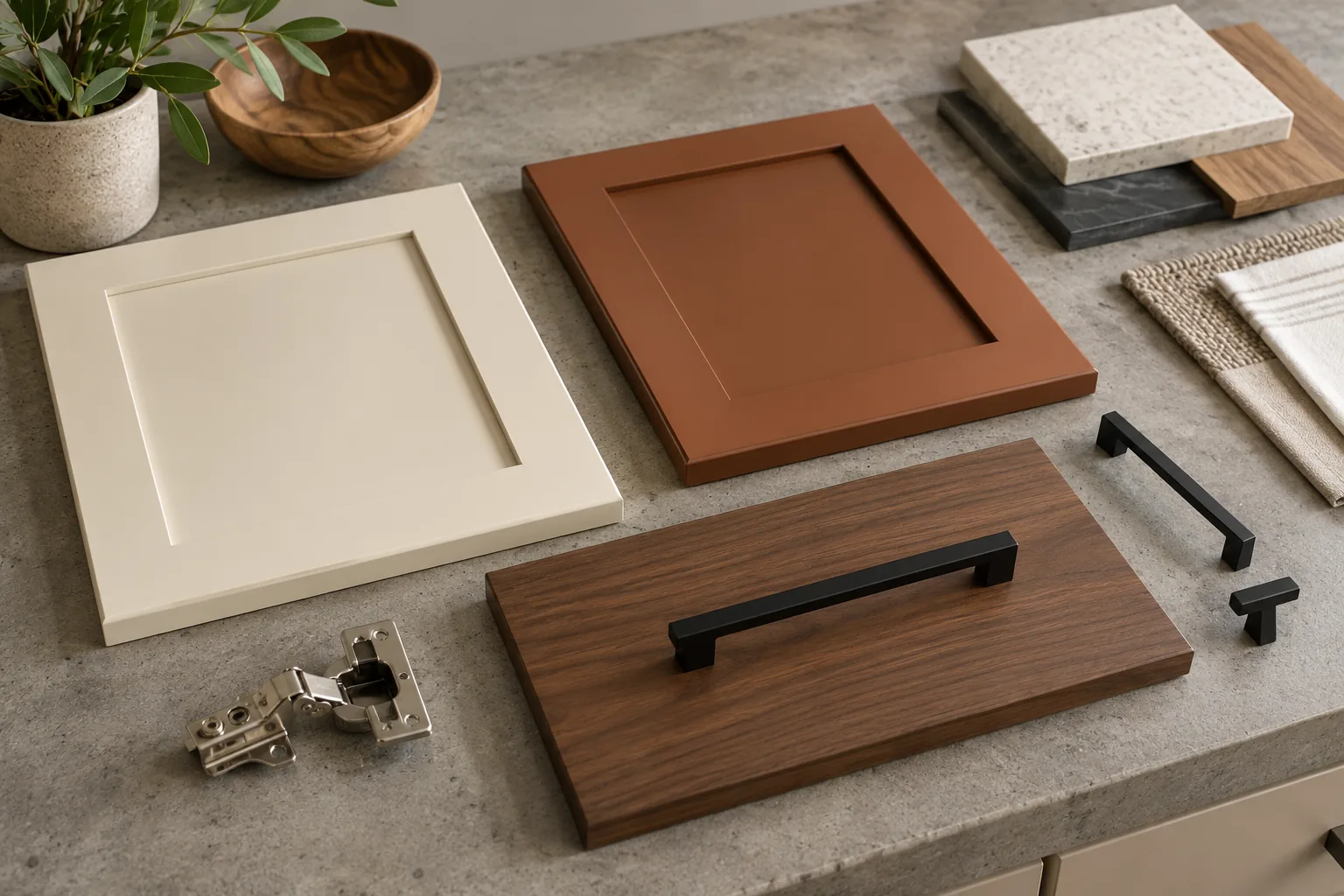
Illustrative product visualizations, not completed work, local properties or supplier facilities.
Questions
Coverage questions
Why does the Kentlands guide begin with intended building use?
The supplied community-design history does not identify the buyer’s room or use. Describe the actual storage function, goods and responsible property contact. Base quantities and approvals on the project record rather than assuming a standard package from the neighborhood name.
What extra identity should a Crown receiving record contain?
Identify the actual address and relevant neighborhood, building and unit or room references. Confirm the current receiver and access contact. The development’s mixed-use description does not establish a specific building type, facility or accepted handoff.
Can a cabinet quote answer Washington Grove property-work questions?
A product offer describes the goods and seller terms, not the complete requirements for related alterations. Present the actual address and broader scope to the relevant authority or professional where needed. Mark cabinet dimensions depending on that work as provisional.
How should I use a local answer after changing the project?
Identify which decision the answer supported and whether the changed address, room or goods still match it. Revisit the dependent records rather than transferring the answer automatically. Keep the new version and responsible source visible before relying on it for approval.
Talk to us about your project
Describe the purchase and project ZIP in Gaithersburg. Supplier acceptance and any referral are confirmed separately; no visit or quote is booked by this form.
Calls only, we do not receive text messages.