
Contractor Cabinet Packages in Gaithersburg, MD
Put quantities and project requirements into a cabinet package brief.
Send my cabinet inquiry
Or call (562) 203-3232. Calls only, we do not receive text messages.
Buying questions: contractor and property cabinet packages
The Framework supplies independent information and records inquiry details for the owner’s review, without automatic seller distribution or a promised reply. It does not establish trade eligibility, a supplier account or a performing crew. Prepare the takeoff below for the actual seller and purchaser involved in the package.
About Gaithersburg Cabinet Framework
Know who handles each part
Independent cabinet buying information and quote-request service. We do not manufacture, stock or install cabinets. A referral, supplier response, appointment or purchase is not guaranteed. Product availability, delivery and installation must be confirmed directly with the seller or separately engaged contractor.
Build room rows before grouping repeated products
Assign room or unit identifiers and connect cabinet positions to drawing references. Record configuration, quantity, finish and accompanying pieces for each destination. Only then consolidate the quantities. A grouped total should preserve the source rows needed to explain which goods belong to which room.
For a hypothetical professional buyer using similar base configurations in two rooms with different finish selections, keep the finish distinction within the item identity. Otherwise, a repeated product description can hide which version is requested where. Panels or trim associated with a finish should remain linked to the relevant destination.
Use current room and retained appliance inputs, with preliminary information marked. The supplied IKEA planning reference supports that preparation but does not validate the takeoff. Identify who confirms the arrangement before its quantities become an accepted package, rather than carrying a familiar prior list into a room with unverified conditions.
Describe finish and component variations as purchasing decisions
Ask the actual seller to identify the offered line, finish names and accompanying items against the destination rows. A finish group should not become a vague instruction such as match the other room. The purchaser needs a specific description it can approve and the receiver can later recognize.
For the hypothetical two-room order, distinguish a finish change from a configuration substitution. The first can affect appearance and associated pieces; the second can also affect storage function or fit. Request an explanation of each actual proposed difference rather than approving a revised total without understanding it.
Keep sample or specification information attached to the goods it represents. A document for one finish or line should not be transferred automatically to another. The guide does not guarantee matching or product availability; it helps the buyer preserve the distinctions that matter when a package combines repeated and varied selections.

Control approval at the affected row and destination
Name who approves the goods and who reviews dimensional or arrangement consequences. Record the old description, proposed new description, affected destinations and approval for a substitution. A purchasing change should be understandable without relying on the person who discussed it to explain every later shipment.
In the two-room example, a proposed configuration change might apply to both rooms while a finish revision applies to only one. Update the consolidated totals and destination records together. Ask the seller to acknowledge the actual selected version so an approved exception does not remain outside the main item list.
Keep earlier takeoffs as history and identify the current accepted reference. A receiver reporting a difference is not automatically authorized to accept it. The record should explain which decisions remain with the purchaser or reviewer, preventing a practical allocation question from turning into an unapproved change to the package.
Give receiving a way to distinguish repeated variants
Ask how the offered goods and packages are identified. Obtain the actual package or unit references and connect them to the destination list. When similar configurations differ in finish or accompanying pieces, appearance alone should not be the receiver’s allocation method.
Prepare the expected quantities and record receipt against the accepted version. Ask the seller for completeness and discrepancy instructions, including how separately supplied components should be accounted for. Do not invent a standard damage deadline or presume a remedy for an observed difference.
For the hypothetical package, the receiver should know which finish reference belongs to each room and where accompanying pieces are allocated. If a staged arrangement is actually offered, keep its expected items identifiable. The guide describes a purchasing record, not a warehouse service, delivery guarantee or claim that the seller will pre-sort every proposed destination.

Compare package cost without erasing the variations
Show quantities, box configurations, finish selections, panels and accessories in the consolidated offer. Obtain actual freight or pickup and any proposed carrying or assembly scope. If destination or staging variations affect handling, request the seller’s actual terms rather than assuming they are covered by one product total.
External installation and related labor belong in their providers’ written scopes. The FTC’s estimate guidance supports comparing work and materials alongside price. It does not establish a trade discount, minimum, account condition or seller acceptance for this package.
Initial estimates may change; the final written quote should set the offered price and inclusions for the approved takeoff version. In the two-room example, identify which rows change when a finish or configuration is revised. Keep unpriced allocation, storage or onward movement tasks visible instead of interpreting the consolidated total as a complete project budget.
Audit the package as a chain from drawing to receipt
Before approval, confirm that destination schedules, consolidated quantities and seller offer agree. Identify the drawing and substitution references each uses. A package should let another reviewer trace a repeated item back to its finish, accompanying pieces and intended room without reconstructing the entire discussion.
Obtain actual seller acknowledgment and any account or payment terms relevant to acceptance. Name the purchaser and receiver, and provide current records to separately engaged participants whose work depends on them. Organization does not establish purchasing eligibility or a supply commitment by itself.
After a later permitted change, update the affected destination and receiving references together. The hypothetical two-room package remains controlled when its variations stay visible through every stage. That record is the practical value of a contractor buying guide: preserving the goods and decisions that a consolidated description could otherwise hide, without promising a crew or commercial terms this site cannot supply.
Inquiry process
From buying questions to a possible supplier quote
Sending an inquiry does not reserve products or book work.
Describe the purchase
Include project ZIP, room, approximate cabinet list and preferred timing.
Clarify requirements
Identify assembly, access, measurements and any separately arranged labor.
Confirm referral availability
An inquiry can be referred only if a suitable seller accepts the location and product request.
Review seller terms
Confirm the final drawing, itemized price, payment, delivery and return terms directly before ordering.
Illustrative product choices
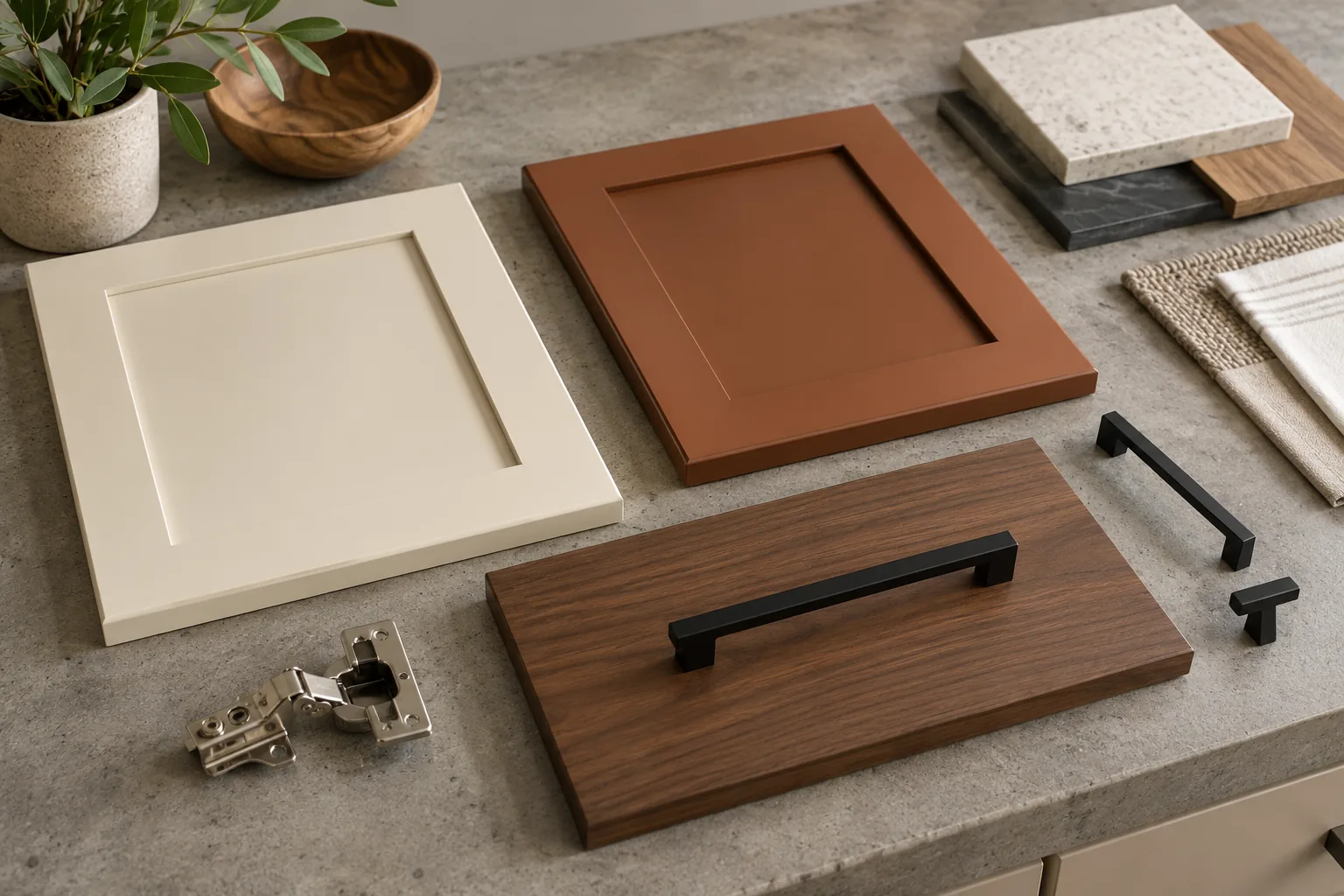
Illustrative product visualizations, not completed work, local properties or supplier facilities.
Local buying information
Local inquiry guides
Questions
Contractor and Property Cabinet Packages: Common Questions
Why treat finish as part of a repeated item’s identity?
Similar configurations can be requested in different finishes or with different accompanying pieces. Preserve those variations before consolidating quantities. The purchaser and receiver need to know which offered version belongs to each destination, not merely the total number of boxes.
How should one-room and whole-package substitutions differ in the record?
Identify the affected destination rows for each change, including configuration, finish and accompanying pieces. Update consolidated quantities and approvals accordingly. A revision affecting one room should not be applied to every repeated item without an explicit purchasing decision.
Can the receiver allocate similar goods by appearance alone?
Use actual product or package references connected to the accepted destination list. Similar appearance may not identify a finish or configuration variation accurately. Obtain seller-specific completeness information so accompanying pieces remain accounted for with their intended goods.
What does a consolidated quote need to preserve?
It should remain traceable to room quantities, selected configurations and finishes, accompanying pieces and the current takeoff version. Actual handling and external tasks need their offered scopes. A package total should not erase the distinctions that explain the accepted purchase.
Talk to us about contractor and property cabinet packages
Describe the purchase and project ZIP in Gaithersburg. Supplier acceptance and any referral are confirmed separately; no visit or quote is booked by this form.
Calls only, we do not receive text messages.