
Cabinet Layout Planning in Gaithersburg, MD
Organize room dimensions and appliance details before finalizing a cabinet order.
Send my cabinet inquiry
Or call (562) 203-3232. Calls only, we do not receive text messages.
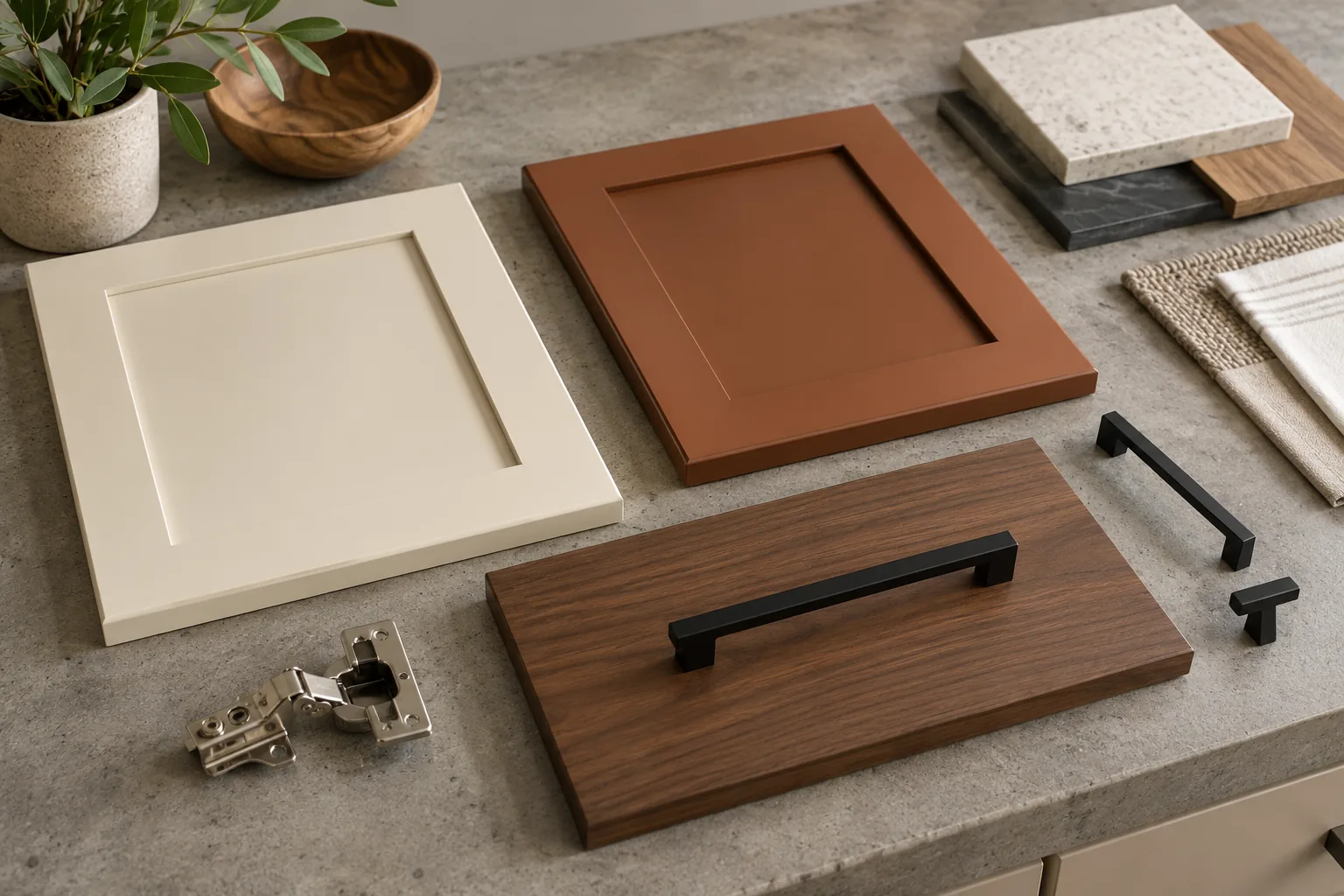
Buying questions: cabinet layout and order preparation
The Framework publishes independent purchasing information and records inquiry details for owner review, without automatic seller contact or guaranteed response. It does not perform field measurements or approve layouts. Use this guide to organize the evidence the actual reviewer needs for a traceable arrangement.
About Gaithersburg Cabinet Framework
Know who handles each part
Independent cabinet buying information and quote-request service. We do not manufacture, stock or install cabinets. A referral, supplier response, appointment or purchase is not guaranteed. Product availability, delivery and installation must be confirmed directly with the seller or separately engaged contractor.
Label each input by its source and status
Give measurements and observations a location on the sketch, along with the date or version of the record. Identify whether the information was observed, taken from a product document or proposed for a future condition. The categories describe the basis of an input, not a guarantee of its accuracy.
For a hypothetical buyer whose sketch combines a measured wall with an estimated appliance position, mark the estimate explicitly. The responsible reviewer can then identify which cabinet relationships remain conditional. Without that label, a plausible number can be mistaken for a confirmed constraint as the drawing becomes more polished.
Keep the source where it can be checked. A product dimension should refer to the selected model information; a room observation should refer to its actual feature; a proposed change should identify who confirms it. This source record makes later questions specific and helps prevent a layout from relying on remembered information that no participant can explain.
Connect appliance information to the room arrangement
Identify retained and proposed appliances separately. Obtain available model documentation and mark undecided selections. The supplied IKEA US planning guide supports collecting room measurements and dimensions of retained appliances. That preparation does not replace the final reviewer’s check of the selected arrangement.
Ask which operating relationships need investigation for the proposed products. A closed appliance or cabinet size is not the whole question when doors and drawers move near one another. Use the actual product information rather than importing an unsourced universal clearance.
In the hypothetical estimated-position sketch, the appliance record can turn a provisional input into a question the reviewer can resolve. If the buyer later selects a different model, update its source and status and revisit the affected positions. A previously accepted relationship should not retain its confidence after the information supporting it changes.

Link configurations and accompanying pieces to positions
Give each proposed cabinet a position reference and describe the configuration and intended storage function. Ask the seller to identify its actual offered products against those references. Product codes can differ, but the buyer’s room positions should remain understandable across proposals.
Keep panels, fillers, trim and finished ends visible in the schedule. Ask how the actual arrangement accounts for them rather than assuming an illustration identifies what is ordered. A changed input may affect accompanying pieces even if the main cabinet count stays similar.
For the hypothetical buyer, once the appliance position is confirmed, ask which neighboring rows change and why. Record whether the revision responds to fit, offered configurations or a preference. This makes the schedule a traceable result of the inputs rather than a list of goods detached from the drawing that is supposed to explain them.
Resolve conflicting records before comparing final arrangements
A sketch, appliance document and proposed schedule can disagree. Identify the conflict instead of choosing the value that makes an attractive arrangement work. Ask the responsible source to clarify the actual input and record the answer with the drawing version it affects.
For example, the hypothetical buyer may find that a reported appliance dimension does not match the documentation for the retained model. Keep both references long enough to explain the correction. The layout reviewer should identify which neighboring relationships need another check after the correct information is established.
Do not describe the correction as a general product upgrade. It changes the evidence supporting the arrangement. Update affected configurations and accompanying pieces together, then ask for a revised proposal where needed. A useful layout record should reveal the reason for a change so the purchaser knows whether two versions answer different preferences or different confirmed facts.
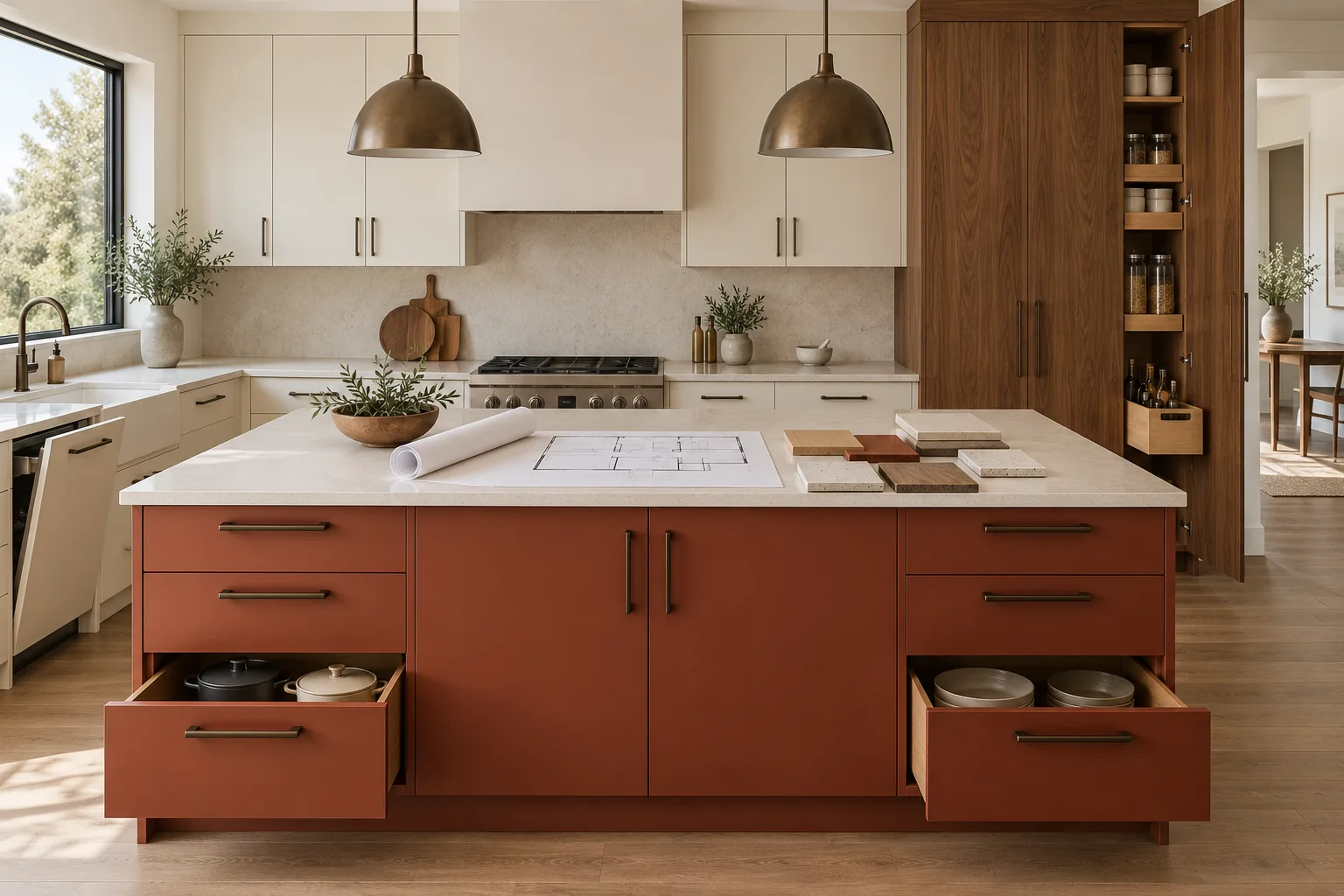
Compare cost after naming the input version
Ask each offer to identify the drawing and schedule it uses. Show box quantities, configurations, finish, accessories and accompanying goods. If an input remains provisional, keep it in the offer’s assumptions rather than presenting the proposed total as a final price for settled goods.
Obtain actual freight or pickup and any offered assembly or carrying scope. External installation, removal and other work need their own provider agreements. The FTC source supports comparing written home improvement estimates by work and materials, without establishing that a cabinet offer includes the surrounding tasks.
Early estimates can change; the final written quote should set the offered price and inclusions for the accepted input version. In the hypothetical correction, identify which goods and tasks changed because the appliance information was resolved. A historical total remains useful comparison history, but should not be treated as the current offer after its supporting arrangement has changed.
Hand over a record whose confidence can be understood
Before approval, align the room inputs, drawing, product schedule and actual seller offer. Identify the party confirming final dimensions and operation, and separate that role from the purchaser authorizing goods. A record should make both decisions readable rather than assuming one person has made them all.
Keep unresolved conditions explicit if the inquiry is still preliminary. State the specific next question and provide the relevant source references. A reviewer can make better use of a clear uncertainty than of a drawing that presents every input as equally final.
Give the accepted version to the receiver and separately engaged participants who depend on it. If a permitted change occurs later, update the source/status record and affected products. The Framework guide helps the buyer build that chain of evidence; it does not turn a self-reported sketch into a certified measure or promise that an unidentified product arrangement will fit.
Inquiry process
From buying questions to a possible supplier quote
Sending an inquiry does not reserve products or book work.
Describe the purchase
Include project ZIP, room, approximate cabinet list and preferred timing.
Clarify requirements
Identify assembly, access, measurements and any separately arranged labor.
Confirm referral availability
An inquiry can be referred only if a suitable seller accepts the location and product request.
Review seller terms
Confirm the final drawing, itemized price, payment, delivery and return terms directly before ordering.
Illustrative product choices
Illustrative product visualizations, not completed work, local properties or supplier facilities.
Local buying information
Local inquiry guides
Questions
Cabinet Layout and Order Preparation: Common Questions
Why record the source of a room or appliance dimension?
It lets the reviewer understand whether the input is observed, documented or proposed and where to clarify it. Source and status labels do not guarantee accuracy, but they prevent an unexplained estimate from being treated as confirmed as the drawing develops.
What should I do when the sketch conflicts with appliance documentation?
Identify both references and ask the responsible source to resolve the input. Update the drawing and affected cabinet relationships afterward. Do not select a convenient value simply to preserve a favored arrangement or describe the correction as a cosmetic product alternative.
Can accompanying pieces change after one input is confirmed?
Yes, the actual arrangement may affect panels, fillers or other goods as well as main configurations. Ask the reviewer to identify dependent rows and update the schedule. A similar box count does not establish that the complete item list remains unchanged.
What should an early layout inquiry say about confidence?
Mark preliminary observations, documented products and proposed conditions clearly, then name the next input requiring an answer. The request can be useful before final approval. Keep exploratory information distinct from the accepted version that will govern an actual purchase.
Talk to us about cabinet layout and order preparation
Describe the purchase and project ZIP in Gaithersburg. Supplier acceptance and any referral are confirmed separately; no visit or quote is booked by this form.
Calls only, we do not receive text messages.